BALLASTLESS TRACK SYSTEM ON MAIN LINE


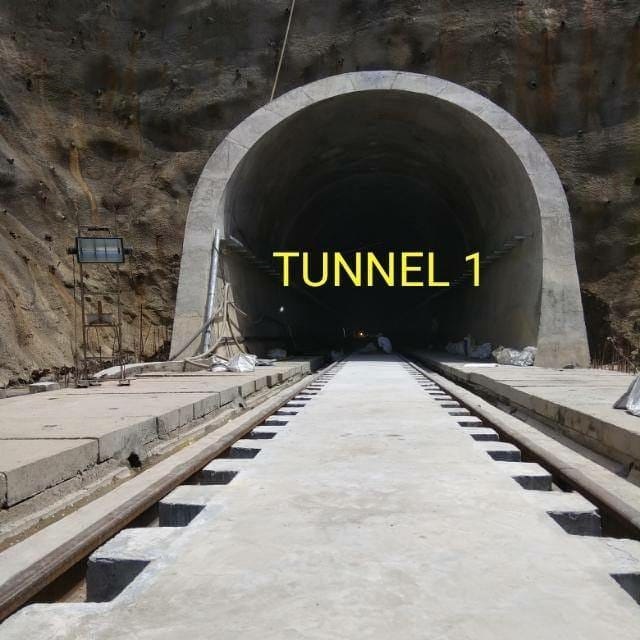
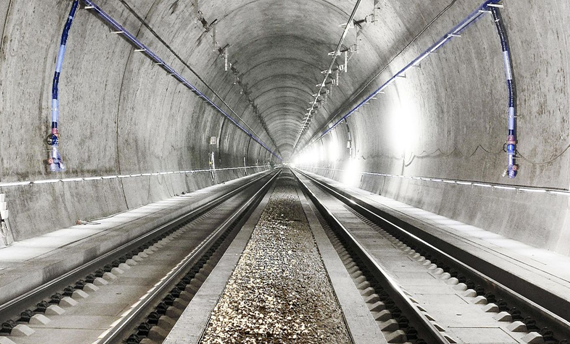
Patil Group of Industries will be one of the first companies in India to bring in the World-class Ballastless Track System “RHEDA" for the Indian Railways in Joint Venture with M/s PFLEIDERER AG of Germany. The ballastless track system is far more superior system than what is being used in India, with a very competitive price. This is very much necessary where ballast cannot be used and maintained specially on Aprons, Tunnels, Stations / Bridges.

The World's largest Ballastless Track System of 300 Kilometers between Frankfurt and Cologne was opened in Germany and M/s Pfleiderer AG Germany played major and important role in commissing the track.

The Patil Group of Industries and Pfleiderer Track Systems-two partners with decades of experience in railway infrastructure-have combined their resources to support the Indian Government in the implementation of their plans. By pooling of our expertise we utilize all synergies in order to maximize the benefits for the customers. We offer an extensive portfolio of varied engineering solutions, in order to enhance the attraction and the cost effectiveness of rail transport. The company Patil Pfleiderer track systems Pvt. Ltd. offers top-class products that are truly convincing in innovation, quality, and reliability. With the RHEDA 2000 ballastless track system, we make our significant contribution to implement high-performance rail infrastructure in India.

The monolithic RHEDA 2000 ballastless track system represents the most advanced development stage in the RHEDA family. The RCC sleeper forms a monolithic structure with the concrete bed that encloses it. This structure can be uniformly implemented, with an extremely low structural height, on all types of track substructures suitable for ballastless tracks. The bi-block sleeper with lattice trusses has reinforcement, partially cast into the sleeper. Concrete assures affectiveness of the bond between the sleeper and supporting concrete slab.

The sleepers are laid out at the construction site in non-exacting manner, then joined together with a rail to form a track panel, and finally installed at the specified position and height with a special alignment system. After final adjustment, the supporting layer is cast in concrete. The RHEDA 2000 combines great safety and permanently exact track positioning with favorable construction costs and low maintenance expense.